Telecommunications operators in Nigeria — including MTN, Airtel, Globacom, and 9Mobile — have threatened to suspend network support for banks’ Unstructured Supplementary Service Data (USSD) services, accusing banks of deliberately misleading customers about how transaction fees are charged.
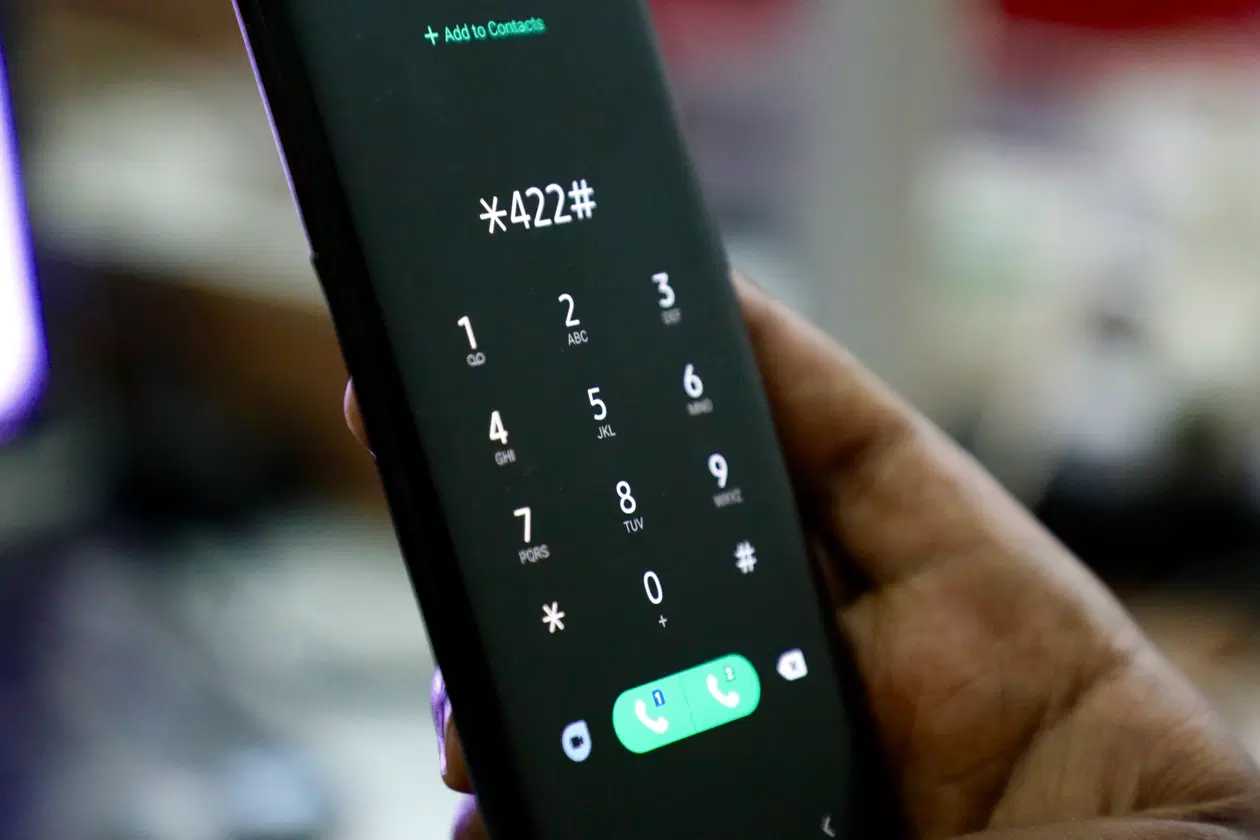
USSD, a service widely used for mobile banking, allows users to carry out transactions by dialing short codes on their phones.
On June 3, several banks issued a public notice stating that the Nigerian Communications Commission (NCC) had instructed them to stop deducting USSD charges from customers’ bank accounts. Instead, the notice claimed that fees would now be taken from users’ mobile airtime balances.
The banks’ notice stated:
“In line with the directive of the Nigerian Communications Commission (NCC), please be informed that effective June 3, 2025, charges for USSD banking services will no longer be deducted from your bank account. Going forward, these charges will be deducted directly from your mobile airtime balance in accordance with the NCC’s End-User Billing (EUB) model. Under this new structure, each USSD session will attract a charge of ₦6.98 per 120 seconds, which will be billed by your mobile network operator.You will receive a consent prompt at the start of each session, and airtime will only be deducted upon your confirmation and the bank’s availability to process the service.
If you do not wish to continue using USSD banking under this new model, you may choose to stop using the USSD channel.”
In a prompt reaction, telecommunications operators under the Association of Licensed Telecom Operators of Nigeria (ALTON) criticized the banks’ statement as deceptive and self-serving.
They accused the banks of distorting the facts to suit their own agenda and warned that they may withdraw network support for USSD services if the matter remains unresolved.
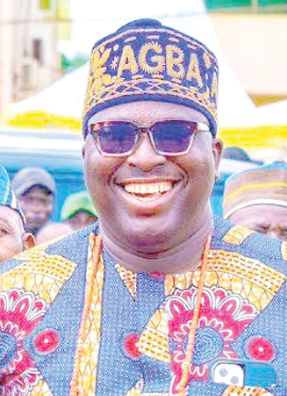
Chairman of ALTON, Engr. Gbenga Adebayo, said in statement:
“I don’t understand why the banks are distorting agreements to suit themselves. The information they released wasn’t a directive from the NCC, but the outcome of a joint regulatory agreement involving the NCC, the Central Bank of Nigeria (CBN), the telcos, and the banks.
“The agreement was that if the banks cleared their outstanding USSD debts to telcos by June 2, 2025, they could then migrate to the end-user billing model — provided the process was transparent and mutually agreed upon.”
“At this point, while a few banks have settled their debts, most have not. So, even if all modalities for migration are in place, implementation cannot begin until these debts are cleared,” he added.
ALTON cautioned that if banks persist in breaching the agreement and spreading misinformation, the telecommunications industry may completely suspend USSD support for banking services.
“If this is how they plan to handle the agreement, we may withdraw USSD support. It’s not compulsory. They can operate without it, but they must first settle their debts — as agreed,” Adebayo concluded.