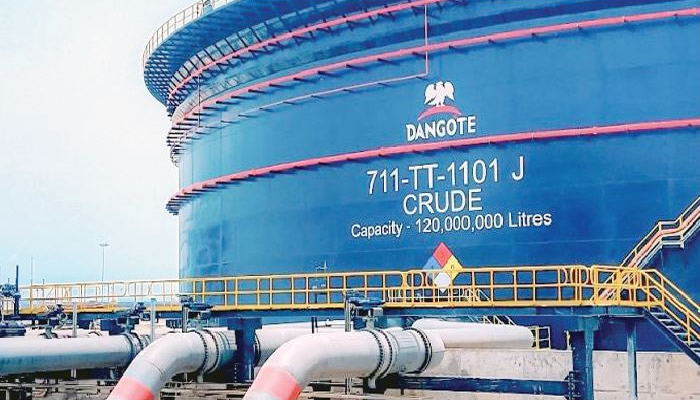
Data from S&P Global Commodity Insights confirms that the Dangote Petroleum Refinery is successfully protecting Nigerian consumers from surging global fuel costs. While international gasoline prices and shipping expenses climb, the refinery maintains stable domestic rates, effectively creating a price ceiling that hinders importers from raising costs locally.
Traders report that the current environment makes importing fuel into Nigeria financially unviable, as the refinery’s coastal sales prices remain lower than rising international benchmarks. Furthermore, the cost to ship clean petroleum products to West Africa has jumped from $29.70 to $37.12 per metric tonne since June, while reduced Russian supply has tightened the diesel market.
Despite these headwinds, the refinery has actively lowered ex-depot prices for gasoline, diesel, and jet fuel since late May. Management explains that pricing is tied to historical crude procurement costs rather than volatile daily Brent fluctuations. By operating at scale, the facility has prevented the severe pump price hikes that would have otherwise occurred due to global market instability.
Industry experts suggest that the refinery is fulfilling its core mission: reducing Nigeria’s reliance on foreign imports and stabilizing energy costs. As the facility solidifies its role as a regional benchmark, it is increasingly viewed as a vital hedge against geopolitical disruptions and global shipping inflation.