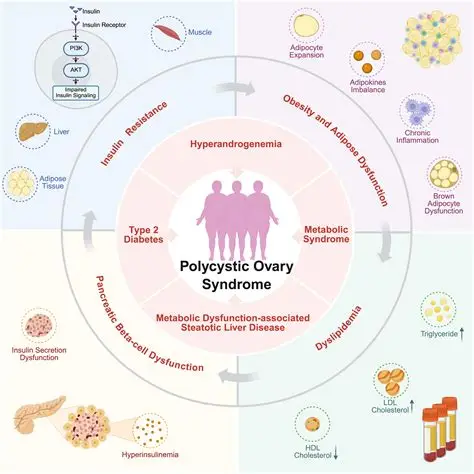
A global coalition of medical professionals and patient advocates has officially renamed Polycystic Ovary Syndrome to Polyendocrine Metabolic Ovarian Syndrome (PMOS).
This shift, supported by over 50 organizations including the Endocrine Society, aims to more accurately describe a condition that influences hormones, metabolism, reproductive health, and mental well-being for approximately one in eight women.
Led by Professor Helena Teede of Monash University, the renaming initiative addresses long-standing confusion caused by the former title.
Experts noted that the original name falsely centered on ovarian cysts, which are not present in all patients, leading to delayed diagnoses and substandard care.
Published in The Lancet, the findings resulted from 14 years of international research, involving feedback from over 22,000 survey participants.
Key goals of the rebranding include:
- Increasing diagnostic accuracy and awareness.
- Reducing stigma associated with reproductive terminology.
- Better reflecting the systemic metabolic nature of the syndrome.
- Ensuring cultural appropriateness globally.
A three-year transition period is now underway, with full integration planned for the 2028 international guideline update. Professor Teede described the change as a significant milestone in women’s health, designed to improve clinical practices and long-term patient outcomes.
Advocates like Lorna Berry and Rachel Morman welcomed the update, noting that the new terminology finally acknowledges the complex hormonal and metabolic realities faced by those living with the condition.