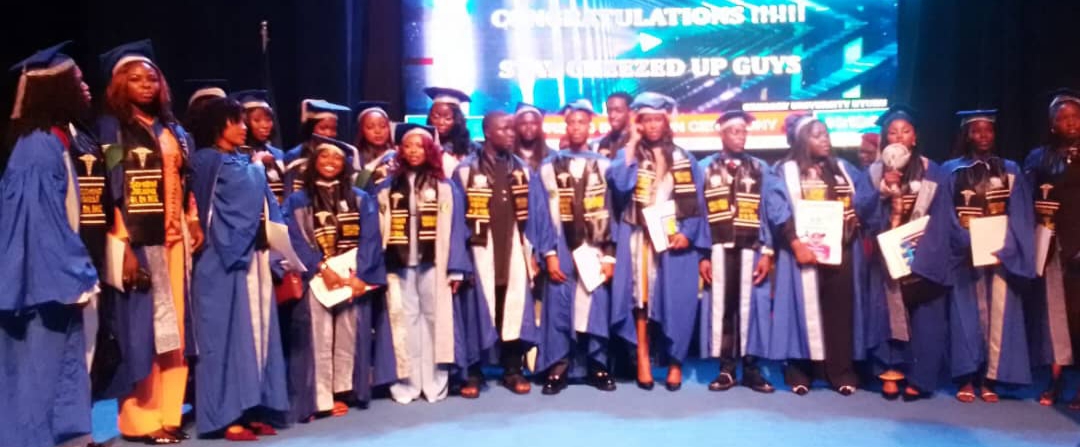





Academic celebrations in Nigeria are increasingly viewed by parents as displays of wealth rather than reflections of learning success. As graduation events become common from preschool through secondary levels, many families are struggling to manage the associated fees and outfit requirements during a period of economic hardship.
For many, the primary financial strain comes from mandatory custom clothing. Parents report that schools often require specific, complex designs that are particularly costly for female students. Mrs. Mojisola Fatai, a parent, noted that these events have devolved into competitive fashion shows among students, leading her to question the necessity of ceremonies for students who have not yet completed their entire secondary education.
The economic impact is widespread. Some parents, like Sunday Akpan, have chosen to opt their children out of ceremonies entirely to avoid the expense of celebrating a transition between grades within the same school. Others, such as Ego Nnaemeka, reported paying significant amounts for sewing fees, which often exceed the price of the fabric itself. Meanwhile, tailors like Iya Baraka and Rasheedat Abdullahi highlight a disconnect where customers demand intricate, high-quality work but resist paying reasonable prices for skilled labor.
While some parents maintain that these milestones warrant celebration regardless of the cost, educators and stakeholders are calling for a change in approach. They suggest that schools implement standardized graduation gowns and shift the focus away from elaborate fashion. By prioritizing academic accomplishments over costly attire, schools could alleviate financial stress for families and ensure celebrations remain focused on the achievements of the students.