England secured their finest World Cup performance since their 1966 victory by clinching third place following a chaotic 6-4 win over France. While the result is statistically significant—marking their best showing in 60 years—the mood remains somber after a crushing semi-final defeat to Argentina.
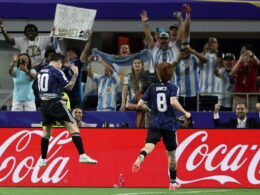
Manager Thomas Tuchel was hired specifically to break England’s cycle of tournament heartbreaks. However, his tactical decisions during the semi-final loss, characterized by some squad members as overly cautious and defensive, led to a collapse that has left both players and supporters disillusioned. Despite public backing from the Football Association, Tuchel faced audible hostility from fans during the third-place match, raising questions about his long-term viability.
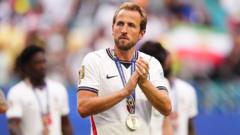
Key performers like Jude Bellingham and Harry Kane were instrumental in reaching the final four, though their future involvement remains a subject of speculation. Younger talents such as Djed Spence provided standout moments, while the potential inclusion of rising stars like Rio Ngumoah and Max Dowman offers a glimpse of future depth. Nevertheless, the central challenge remains: England must move beyond relying on individual brilliance to establish a consistent, winning identity before Euro 2028.
Ultimately, this campaign is viewed as a missed opportunity. While the squad displayed flashes of attacking flair in their win over France, the shadow of the Argentina defeat lingers. The pressure is now squarely on Tuchel to transform his approach and move the team beyond its persistent limitations.