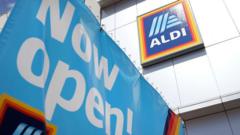
Aldi is expanding its presence in the United States, aiming to attract urban customers by offering deep discounts on household staples. A new Manhattan location, situated beneath a luxury residential building, has drawn attention for selling items like almond butter at a fraction of the cost found elsewhere in the city.
This initiative is part of a broader $9 billion growth strategy, with the company planning to open 800 new stores over the next five years. While Aldi has historically focused on suburban markets, this shift into dense city centers highlights an aggressive push to challenge established retailers. Despite its growth, the company holds only about 2.9% of the US grocery market, significantly trailing industry giants like Walmart.
Data from location analytics suggests that Aldi is successfully drawing in middle- and higher-income shoppers who are looking for ways to manage their budgets amidst ongoing inflation. The retailer maintains its low price point through a business model that emphasizes private-label products and highly efficient, streamlined operations.
Operating in urban environments like Manhattan presents unique logistical hurdles, including high rental costs and complex delivery requirements. To keep its city stores supplied, the company utilizes specialized trucks and nocturnal delivery schedules to navigate tight infrastructure. Experts note that while Aldi’s precise model is effective, its scale and financial structure differ fundamentally from massive retailers like Walmart, which utilize vast technological investments and diverse revenue streams to maintain market dominance.