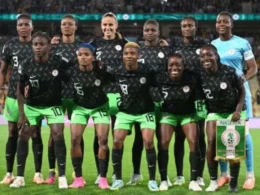
As Argentina and Spain prepare for the final at the New York/New Jersey Stadium, it is time to evaluate Fifa President Gianni Infantino’s grand vision for the 2026 World Cup. Billed as the most significant event in history, the tournament spanned the United States, Mexico, and Canada with an expanded field of 48 teams. While debuts for nations like Cape Verde provided genuine excitement, the format changes faced criticism for diluting the quality of play during the group stages.
Mandatory hydration breaks became a point of contention. While justified by officials as a welfare measure, these pauses doubled as commercial windows and tactical timeouts, often drawing boos from frustrated fans. Conversely, the initiatives led by Pierluigi Collina to increase ball-in-play time largely succeeded, resulting in a more fluid game compared to the 2022 tournament in Qatar.
Financial and political controversies were frequent. High ticket prices caused public outcry and attracted legal scrutiny, yet stadiums remained nearly full. Politically, the tournament was marred by visa complications, including the exclusion of referee Omar Artan, and the unusual suspension of a player ban involving Folarin Balogun after high-level political intervention. Despite these issues and inconsistent VAR applications, the event achieved record attendance figures, cementing its status as a massive, if imperfect, sporting spectacle.