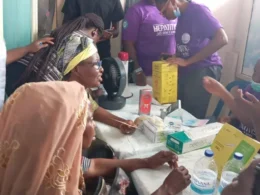
The Nigerian government has introduced national guidelines aimed at prohibiting the purchase and distribution of unhealthy food items in public facilities. These regulations target schools, hospitals, correctional facilities, and other state-run institutions to combat the rising prevalence of non-communicable diseases. Developed by the Bureau of Public Procurement alongside health and economic ministries, the policy mandates that food bought with taxpayer money must meet rigorous nutritional criteria.
Under these new rules, institutions are barred from supplying processed meats, sugary drinks, deep-fried snacks, and products high in industrial trans fats or excessive sodium. Instead, official procurement must prioritize whole grains, legumes, fresh fruits, vegetables, and lean proteins. Furthermore, the initiative requires at least 30 percent of food budgets to be spent on locally grown produce to bolster the domestic agricultural sector.
Dr. Kingsley Akinroye, head of the Nigerian Heart Foundation, praised the move as a crucial advancement for public health. He highlighted that poor dietary habits are primary contributors to hypertension, diabetes, and heart disease. By leveraging government purchasing power, the authorities aim to establish healthier food environments that prevent diet-related illnesses. The Bureau of Public Procurement will lead the enforcement of these standards, with potential sanctions for institutions or suppliers that fail to comply with the new requirements.