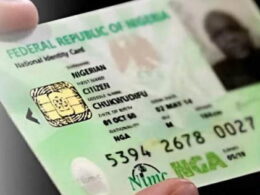




Engr. Abisoye Coker-Odusote, Director-General of the National Identity Management Commission, NIMC, asserts that Nigeria has successfully transitioned away from fragmented identity databases. She maintains that the National Identification Number, NIN, now serves as the central master ID, linking various sectors such as taxation, immigration, and finance into a cohesive national infrastructure.
Despite these official proclamations, many Nigerians continue to encounter significant hurdles. Citizens frequently report being required to manually submit redundant personal information when applying for passports, driver’s licenses, or banking services. These experiences suggest a disconnect between the touted digital integration and the actual administrative burden faced by the public.
Industry experts and analysts observe that while the NIN has become a foundational element, the system lacks full, seamless interoperability across all institutions. The persistent requirement for extensive paper forms implies that many agencies have yet to fully adopt the available digital authentication services provided by the NIMC. Furthermore, issues such as conflicting data entries between different government records have led to long, costly, and frustrating correction processes for individuals like Mercy Obadare.
Ultimately, while the government has laid the groundwork for a unified identity system, stakeholders argue that the country remains far from achieving the frictionless user experience promised by national authorities.