



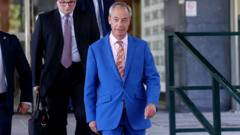
Robert Jenrick, a senior figure in the Reform UK party, has accused the government of failing its responsibilities concerning the protection of Nigel Farage. Jenrick argued that the security arrangements for the party leader have been insufficient and previously faced an unexplained reduction.
The discussion around politician safety has intensified following the death of Ann Widdecombe, which is currently subject to a counterterrorism investigation. While Reform UK previously turned down a state-funded security offer last year, claiming it was a 75% reduction from prior levels, the party is now engaging in discussions with Home Secretary Shabana Mahmood. Farage had previously relied on private funding from donors to cover his protective needs.
Jenrick expressed frustration over the perceived lack of urgency from authorities, questioning if political bias influenced the security decisions. He stated that it should not have required a tragedy for the Home Office to initiate a formal review. Other political figures, including Sir Robert Buckland, have voiced concerns regarding the consistency and transparency of how protective measures are determined for elected officials, emphasizing the need for a balanced approach that does not isolate representatives from their constituents.
While official bodies like the Royal and VIP Executive Committee (RAVEC) manage security assessments for high-profile candidates, they maintain that their processes are rigorous and objective. The government continues to face scrutiny over the adequacy of protection for all MPs, especially as threats against public figures remain a significant concern in the current climate.