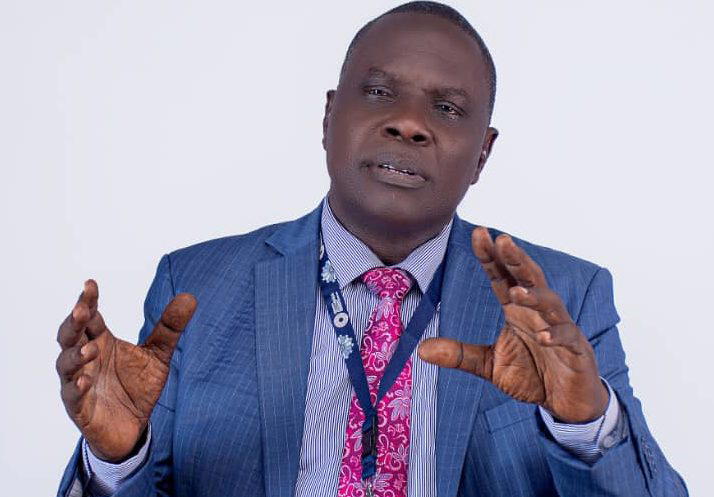
As Governor Seyi Makinde approaches the conclusion of his second term, stakeholders are evaluating the impact of his administration on Oyo State. Olufemi Aduwo, a representative of the Centre for Convention on Democratic Integrity and the World Bank CSO African Countries Group, argues that the state has experienced a structured transformation that has significantly improved its economic competitiveness. According to Aduwo, the administration moved beyond isolated projects, focusing instead on foundational infrastructure that links agricultural zones to commercial corridors, thereby lowering logistics costs.
Aduwo highlights the strategic importance of the 76km Ogbomoso-Iseyin Road and the 110km Rashidi Ladoja Circular Road, arguing that these developments are essential for regional expansion rather than merely alleviating city congestion. Regarding the modernisation of the Samuel Ladoke Akintola Airport, he suggests the facility serves as a vital economic asset for trade and export under the African Continental Free Trade Area framework. Furthermore, he contends that the administration’s shift toward commercial agribusiness and improved rural infrastructure is effectively fostering local employment and helping to curb mass migration to urban hubs.
On the topic of social services, Aduwo describes the administration’s phased healthcare strategy—beginning with primary centres and moving to secondary hospital upgrades like the LAUTECH Teaching Hospital Annexe—as a logical approach to relieving pressure on tertiary medical facilities. Finally, he defends Governor Makinde’s recent references to historical political instability, framing them as responsible warnings aimed at preserving peace rather than inflammatory rhetoric. He concludes that the state is more strategically positioned today than it was in 2019, though he emphasises the need for future leadership to maintain this development trajectory.