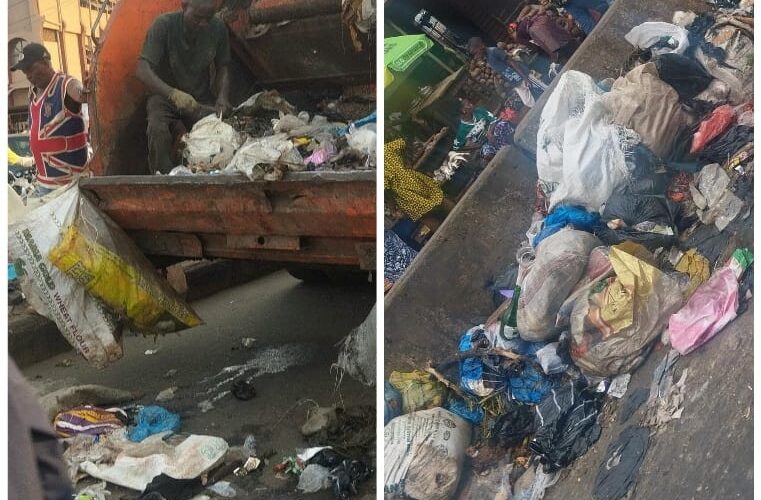
What was once considered work for scavengers has transformed into a desperate pursuit for survival as the cost of living surges across Nigeria. Inflation and skyrocketing food costs have forced thousands of citizens to seek income through waste collection to support their households.
Economic challenges have turned public spaces, including streets and dumpsites, into vital sources of income. Plastic bottles and aluminum cans are now viewed as valuable commodities rather than mere litter. Amina Haruna, a former clothing merchant, explained that she turned to collecting plastics after the cost of inventory became unaffordable. Today, this income ensures her children have daily meals.
This trend spans a wide demographic, including university graduates, widows, and parents, all searching through urban waste. The work involves gathering PET bottles, cans, and paper, then selling these items to recycling depots by weight. Abdul Danjuma, a local depot operator, noted that the volume of collected waste has doubled as more people enter the trade to secure daily cash.
While this activity has significantly reduced plastic pollution and improved drainage, environmental activists like Tolani Jegede express concern. Many collectors work without protective gear, risking injuries from glass or exposure to hazardous materials. Despite the health risks and social stigma, collectors remain determined. For many, this work is an honest effort to provide for their families while simultaneously cleaning the environment, a reality they approach with resilience rather than shame.