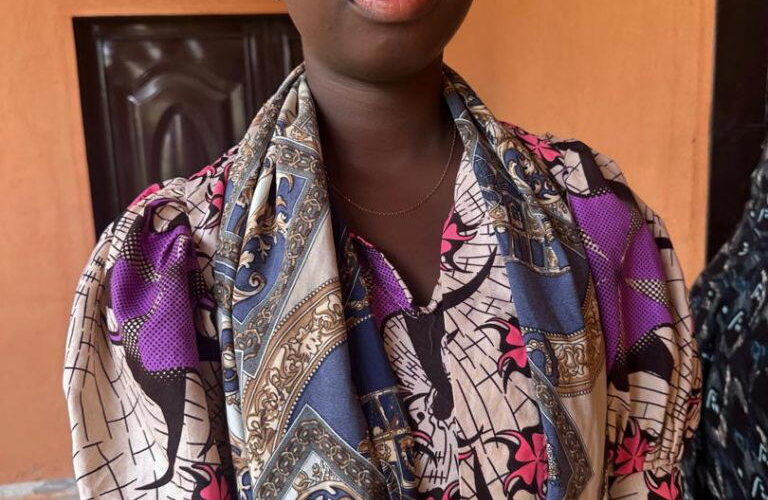
In an Osun State community, a vocational centre provides a vital lifeline to vulnerable youth, helping them escape the cycles of child labour, early marriage, and unemployment. This facility offers free skills training to hundreds of students who have been pushed out of the formal education system due to financial hardship.
Yemisi Ayoola, an 18-year-old who dropped out of school after her parents could no longer cover the costs, found herself idle and hopeless. Like millions of other Nigerian children, she faced an uncertain future. Upon joining the Princess Ruth Aina Ataiyero Skills Acquisition Centre in Ilesa, she began training in makeup artistry and hairdressing. Though she still hopes to return to formal schooling, the centre has restored her sense of purpose.
The scale of the crisis is immense, with UNICEF reporting nearly 20 million out-of-school children across Nigeria. Harold Kpojime, a UNICEF education specialist, notes that one in three primary-age children is missing out on education. Poverty remains the primary obstacle, as families struggle with costs beyond tuition, such as transport and materials. This is particularly difficult for adolescent girls, who are often steered toward early marriage or domestic responsibilities when school becomes unaffordable.
Director Gladys Olanubi Fadahunsi explains that the centre welcomes those sidelined by life’s hardships, including young mothers and those forced into early labor. The centre offers training in diverse fields, including fashion design, ICT, catering, and plumbing, entirely free of charge. Last year, the facility successfully trained 48 students, providing many with equipment to start their own businesses.
The centre also integrates technology, partnering with UNICEF’s Nigerian Learning Passport to help students like 17-year-old Salvation gain digital skills. Furthermore, the centre promotes inclusivity, as evidenced by 62-year-old Victoria Olushola, who returned to finish her tailoring education alongside younger students. While the centre faces resource limitations, the Osun State government is working to support these initiatives, including the integration of digital learning platforms for nearly 97,000 students to bolster retention and educational transitions.