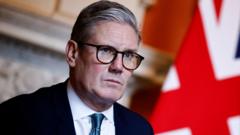
Sir Keir Starmer has faced a dramatic political decline, moving from a historic landslide electoral win in 2024 to his sudden resignation as Prime Minister. Despite entering Downing Street with promises of national renewal, his tenure proved to be the shortest for any Labour leader in the office, ending in a return to the backbenches.
Known for a methodical, legalistic approach often dubbed Mr Rules, Starmer struggled to connect with the electorate. While his victory mirrored the scale of past Labour giants like Tony Blair, he faced immediate backlash over policy reversals and a perceived lack of clear ideological direction. The decision to remove winter fuel payments early in his term marked a pivotal moment where public sentiment shifted from hope to widespread dissatisfaction.
Starmer’s background as a human rights lawyer and his late entry into politics defined his governance style. Critics within his own party argued that his procedural nature and stiff communication style alienated voters in an era demanding authenticity. His premiership was further destabilized by internal power struggles, controversies over political gifts, and the failed appointment of Lord Mandelson as US ambassador.
As his popularity plummeted and Reform UK gained momentum, the Labour Party saw significant losses in local and regional elections. Faced with an internal rebellion and the rise of rivals like Andy Burnham, Starmer ultimately chose to step down. In a final, emotional address, he expressed a desire to focus on his family, marking the conclusion of a turbulent chapter in British governance.