The US Supreme Court has determined that a former prisoner from Louisiana lacks the legal standing to sue officials who forcibly cut his dreadlocks. Damon Landor, a Rastafarian, argued that the act violated his religious rights, but the court ruled 6-3 against him.
Justice Neil Gorsuch, writing for the majority, clarified that the Religious Land Use and Institutionalized Persons Act (RLUIPA) does not permit monetary claims against individual state employees. The court concluded that Congress did not intend for these employees to be held personally liable when the legislation was enacted in 2000. While three liberal justices dissented, the conservative majority maintained that federal spending authority does not extend to direct individual liability without specific consent.
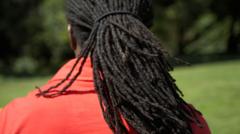
Landor, who was incarcerated on drug charges in 2020, described his dreadlocks as a vital aspect of his identity and religious devotion. Despite his protests, officers restrained him and removed his hair. For followers of the Rastafarian faith, keeping hair uncut is a significant practice symbolizing spiritual growth.