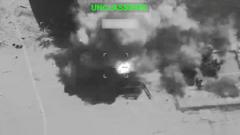
Following a drone strike on the Panama-flagged MT Kiku in the Strait of Hormuz on Saturday, the United States has initiated a fresh round of retaliatory actions against Iranian targets. US Central Command (Centcom) stated that these operations were a direct response to persistent hostility directed at commercial vessels, specifically targeting Iranian communications gear, air defense installations, military hardware, and drone storage areas.
Centcom justified the move by noting that Iran chose to ignore the standing ceasefire agreement by attacking the tanker. Meanwhile, commercial shipping activities in the strait remain ongoing. Iran has not yet provided an official response to these latest US actions.
These developments follow a similar US strike that occurred less than 24 hours prior, which was triggered by an attack on the Singapore-registered MV Ever Lovely on June 25. While the US maintains that such aggression violates the ceasefire, Tehran has argued that the targeted cargo ship was utilizing an unapproved transit route, labeling the subsequent US strikes as a breach of their diplomatic understanding.
On June 17, both nations had established a 14-point memorandum intended to cease hostilities and ensure the safe, toll-free passage of commercial shipping for a 60-day period. Despite recent claims by Donald Trump and other officials that negotiations were moving toward a permanent resolution regarding transit charges, Iranian officials—including negotiator Mohammed Bagher Ghalibaf—have signaled that the management of the Strait of Hormuz will undergo permanent changes.