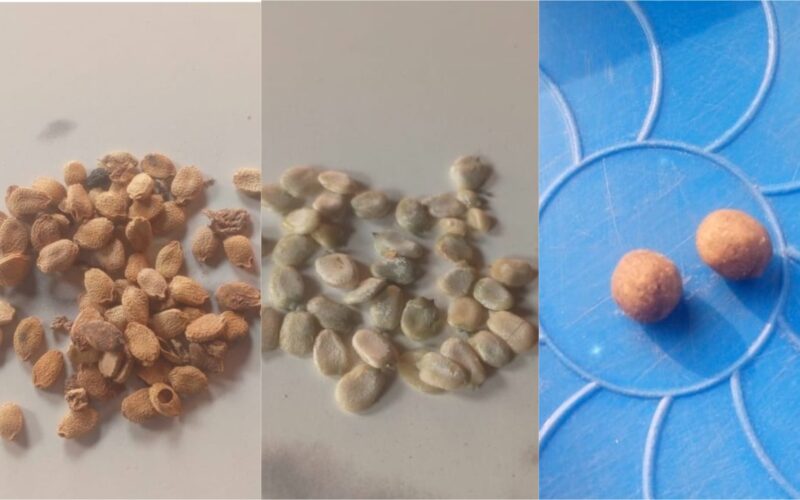
In Abeokuta, the capital of Ogun State, many women are facing severe health risks and death due to the use of ‘Egusi Aije.’ This bitter wild melon is being used as a dangerous, ancestral method for terminating unwanted pregnancies. Rather than being consumed, the substance is inserted into the vagina, often leading to internal organ damage, infection, and fatal complications.
Ashabi, a 35-year-old mother of three, recently lost her life after this method caused significant damage to her intestines. Despite the risks, local herb sellers continue to market the melon, sometimes advising users to insert it with candles to ensure depth, which healthcare professionals warn is extremely hazardous.
Dr. Modupe Adedeji, a consultant gynecologist, highlights that these practices frequently lead to septic abortions, causing fever, hemorrhaging, and potential kidney failure. In severe cases, emergency hysterectomies are required, leaving young women permanently infertile. Statistics indicate that septic abortions contribute significantly to maternal mortality in Nigeria, often driven by social stigma and a lack of access to legal reproductive healthcare.
While Nigeria is a signatory to the Maputo Protocol, which supports reproductive health rights, implementation remains inconsistent. Many women fear seeking help at formal hospitals, assuming they will face judgment or legal hurdles. Consequently, they turn to underground practitioners.
Wemimo Adewumi Obiwale, a reproductive health advocate, emphasizes the need for better public awareness regarding the state’s Safe Termination of Pregnancy (STOP) guidelines. She argues that the government must educate the public on where to access safe care and work closely with traditional practitioners to monitor and discipline those operating illegally.
In response, Dr. Ayodeji Erinle of the Ogun State Alternate Medicine Board stated that a task force is being formed to crack down on unregistered, unqualified practitioners. The board aims to sanitize the sector, requiring all legitimate herbalists to undergo training and official registration to protect the health of the public.