



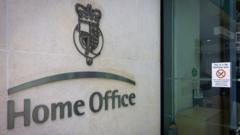
The British government is introducing the Immigration and Asylum Bill, which mandates that individuals granted asylum must reimburse the state for their accommodation and support expenses once they gain employment. This requirement, expected to total approximately 10,000 pounds, will apply to those holding refugee status or indefinite leave to remain. Home Secretary Shabana Mahmood described the policy as an effort to balance the right to asylum with a sense of financial responsibility toward the public.
The government intends to implement a flat-rate repayment system, though specific earning thresholds for when these installments begin have yet to be finalized. Officials maintain the authority to adjust these figures to ensure fairness to taxpayers without pushing individuals into extreme hardship. Last year, the Home Office reported spending roughly 4 billion pounds on asylum support, with significant costs attributed to hotel usage and subsistence payments.
Critics, including the Refugee Council, argue that the policy functions as an unfair tax that will hinder refugees’ ability to become self-sufficient. They highlight that many asylum seekers are barred from working during their claims’ processing, leaving them with limited resources upon arrival. Furthermore, experts from the University of Oxford’s Migration Observatory have expressed doubts regarding the potential for high revenue collection, citing statistics that indicate a relatively small portion of refugees reach the earnings levels necessary to contribute substantially to such a scheme.
The upcoming bill is part of a broader government strategy to establish a more controlled and sustainable asylum system while addressing concerns about illegal migration. As officials work to reduce the reliance on hotels for housing, they are exploring alternative measures, such as sponsored routes involving community groups and universities, to lower the overall financial burden on the state.