




Security professionals are advising drivers against relying on built-in vehicle tracking apps to recover stolen cars. Despite the prevalence of connected car features, firms like Thatcham Research highlight a significant discrepancy between what consumers expect from these systems and their actual technical capabilities.
Ian Fogg, a technology analyst, discovered this firsthand after his vehicle was stolen from his home. Even with live location data available through the Kia Connect service, he was unable to recover the vehicle. Kia stated that UK regulations restrict the use of its connected features for real-time tracking, noting that the software is intended for convenience rather than security.
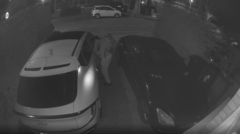
Although Fogg utilized a doorbell camera to record the theft and kept an Apple AirTag inside the car, he still lost contact with the vehicle after thieves removed the tracker. When he attempted to use the manufacturer’s provided location services, the process was slow and cumbersome, failing to provide the immediate assistance needed during a crime.
Data protection laws, such as GDPR, complicate how manufacturers share vehicle location data with law enforcement. Consequently, police often lack the authority to demand this information without specific, rare legal interventions. Experts suggest that for true security, owners should invest in independently certified tracking devices that feature dedicated power sources and are monitored by professional security centers.