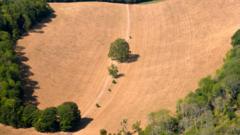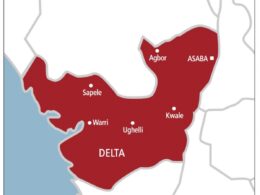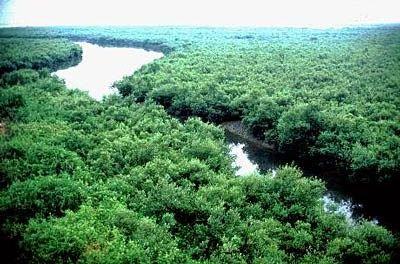
Global biodiversity is in rapid decline, with the United Nations noting that 420 million hectares of forest have disappeared since 1990. Mangroves are particularly vulnerable, having lost 35 percent of their total global area. In Nigeria, the Niger Delta has seen its mangrove coverage drop by over 40 percent in just thirty years, driven by urban growth, oil contamination, and aquaculture. This loss of habitat threatens unique species and worsens environmental instability, including coastal erosion, increased flooding, and reduced food security from damaged fisheries.
Restoring these ecosystems provides a critical solution. Mangroves capture carbon at a rate four times higher than land-based forests, act as natural barriers against storms, and improve water quality. These environmental benefits also have significant financial potential. In the emerging carbon market, high-quality projects can generate credits valued between $50 and $70 per unit, as demonstrated by successful initiatives in Pakistan and The Gambia.
As COP31 nears, Nigeria has a strategic opportunity to convert its coastal assets into a sustainable green economy. Achieving this requires clear property rights, transparent monitoring, and inclusive benefit-sharing. Government authorities must incorporate mangrove protection into national budgets and regulatory frameworks. Meanwhile, private sector entities like Shell, Dangote, and Access have the potential to support these efforts through ESG-focused investments. By empowering local communities in the Delta and Lagos to spearhead restoration, Nigeria can protect its environment while securing long-term economic prosperity for future generations.