




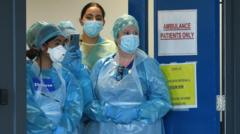
A recent report from the Covid inquiry has concluded that severe planning shortcomings left medical personnel without essential protective gear during the pandemic. Healthcare staff were frequently unable to adequately defend themselves or their patients against viral transmission.
At the onset of the crisis, the United Kingdom possessed a depleted stockpile of medical supplies, leaving the nation unable to compete effectively in global procurement markets. Of the £14.9bn spent on personal protective equipment, approximately £10bn was effectively squandered. Baroness Hallett, who chaired the inquiry, characterized this loss as immense and noted that the country’s heavy dependence on Chinese manufacturing created a dangerous vulnerability.
The inquiry identified significant flaws in how responsibilities were delegated, with care homes and GP surgeries left to manage their own procurement. Furthermore, the report criticized the government’s high-priority lane for contracts, describing it as an unfair process that harmed public confidence. While the inquiry stopped short of finding evidence of official corruption, it explicitly stated that such preferential treatment should never be repeated.
To prevent future issues, the report advocates for a complete transformation of emergency procurement systems and recommends developing a domestic industrial strategy to treat healthcare equipment as a vital national asset. The inquiry continues to monitor ongoing legal matters, including cases that remain under investigation by the National Crime Agency.