The 2026 FIFA World Cup final scheduled for July 19th represents more than a sporting event; it marks the quiet end of football as a romantic, organic spectacle. While many view the sport’s evolution as progress, this transformation toward a highly optimized product reflects a fundamental shift in how the game is governed and consumed.
The tournament has demonstrated a clear preference for administrative control over the spontaneous nature of the sport. Mandatory hydration breaks, while justified as health precautions, often function as tactical resets and commercial opportunities for broadcasters. Similarly, the extended halftime show during the final signifies a move to prioritize advertising revenue over the players’ physical rhythm and established regulations.
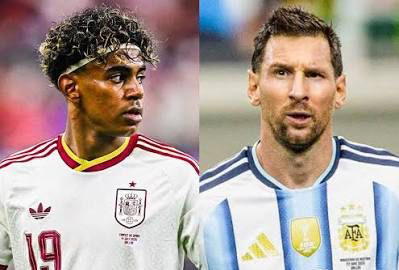
This shift is mirrored in the concentration of power within established footballing regions. Talent is no longer emerging from the fringes; it is being systematically integrated into professionalized global infrastructures. The rise of Lamine Yamal, juxtaposed against the legacy of Lionel Messi, serves as the ultimate metaphor for this era. Where Messi once represented genius born of unpredictable circumstances, Yamal represents the product of hyper-refined, early-stage development programs. The laboratory has effectively superseded the traditional workshop.
While the modern game is technically superior—with faster, more accurate, and more conditioned athletes—it has sacrificed the element of surprise that once defined its appeal. We once cherished football for its inherent unpredictability and its ability to defy expectations. Now, the sport has been perfected into a predictable commodity, managed by corporate architects and geopolitical interests rather than the passion of the fans. The upcoming final in New Jersey is not just a match; it is a signal that a storied era has concluded, leaving behind a highly regulated, corporate-driven version of the beautiful game.