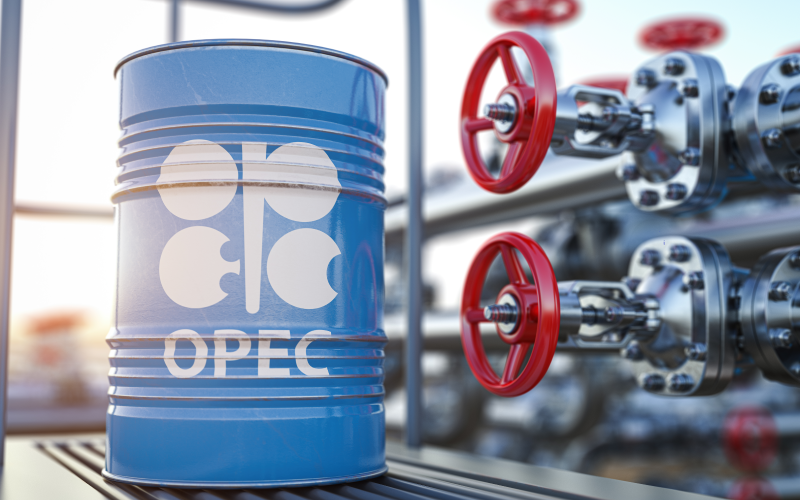
On Sunday, a group of seven OPEC+ nations announced a plan to boost oil production quotas, signaling a move toward market normalization as the Middle East conflict subsides. Saudi Arabia, Russia, Iraq, Kuwait, Kazakhstan, Algeria, and Oman agreed to a collective output increase of 188,000 barrels per day starting in August 2026.
The adjustment follows significant regional disruptions caused by the near-closure of the Strait of Hormuz. During the height of the conflict, Iran restricted maritime traffic, severely hindering oil exports and causing a production drop of roughly six million barrels per day between early 2026 and May for Saudi Arabia, Iraq, and Kuwait combined.
A June 17 agreement between Tehran and Washington to clear maritime obstacles has allowed shipping to gradually resume. Although oil prices have since declined toward pre-war levels, analysts such as Ole Hansen of Saxo Bank note that restarting shuttered production is a time-consuming process. While US officials estimate daily flows through the strait have surpassed ten million barrels, much of this consists of stored inventory rather than new extraction.
Industry experts anticipate a potential market surplus in the coming year as inventories are replenished. OPEC+ faces the dual challenge of managing falling prices while addressing requests from member states like Iraq, which seeks higher quotas to recover losses sustained during the conflict. The group is scheduled to review production capacities in late 2027, a process likely to be complicated by the recent departure of the United Arab Emirates and the differing needs of its remaining members.