The recent ceasefire agreement between the United States and Iran, finalized at the Palace of Versailles, stands in stark contrast to the historical Treaty of Versailles. While the 1919 pact reshaped Europe under heavy conditions, this modern memorandum emerged from a conflict that has yet to address the fundamental tensions in the Middle East. Despite a fragile calm, the geopolitical landscape remains volatile.
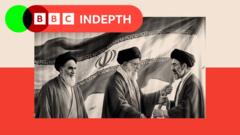
Iran is navigating a period of significant transformation following the deaths of its former supreme leader, Ayatollah Ali Khamenei, and much of the previous establishment during the recent war. A younger, more pragmatic cohort—led by Supreme Leader Mojtaba Khamenei and President Masoud Pezeshkian—has assumed control. These leaders, largely drawn from the Islamic Revolutionary Guard Corps, prioritize state stability and demonstrate a willingness to engage in more aggressive military tactics compared to their predecessors.
The shift in leadership has altered regional dynamics. Nations in the Gulf are currently reassessing their security arrangements as they recognize the limitations of the American defense umbrella. Simultaneously, the Iranian regime is attempting to solidify its domestic standing by managing economic recovery and potentially relaxing social constraints, though it maintains a firm grip on internal dissent. While a new diplomatic path between Tehran and Washington offers the promise of sanctions relief and economic reconstruction, the path forward remains uncertain. Deep-seated mistrust and the lingering effects of a devastating conflict present significant obstacles to long-term stability.